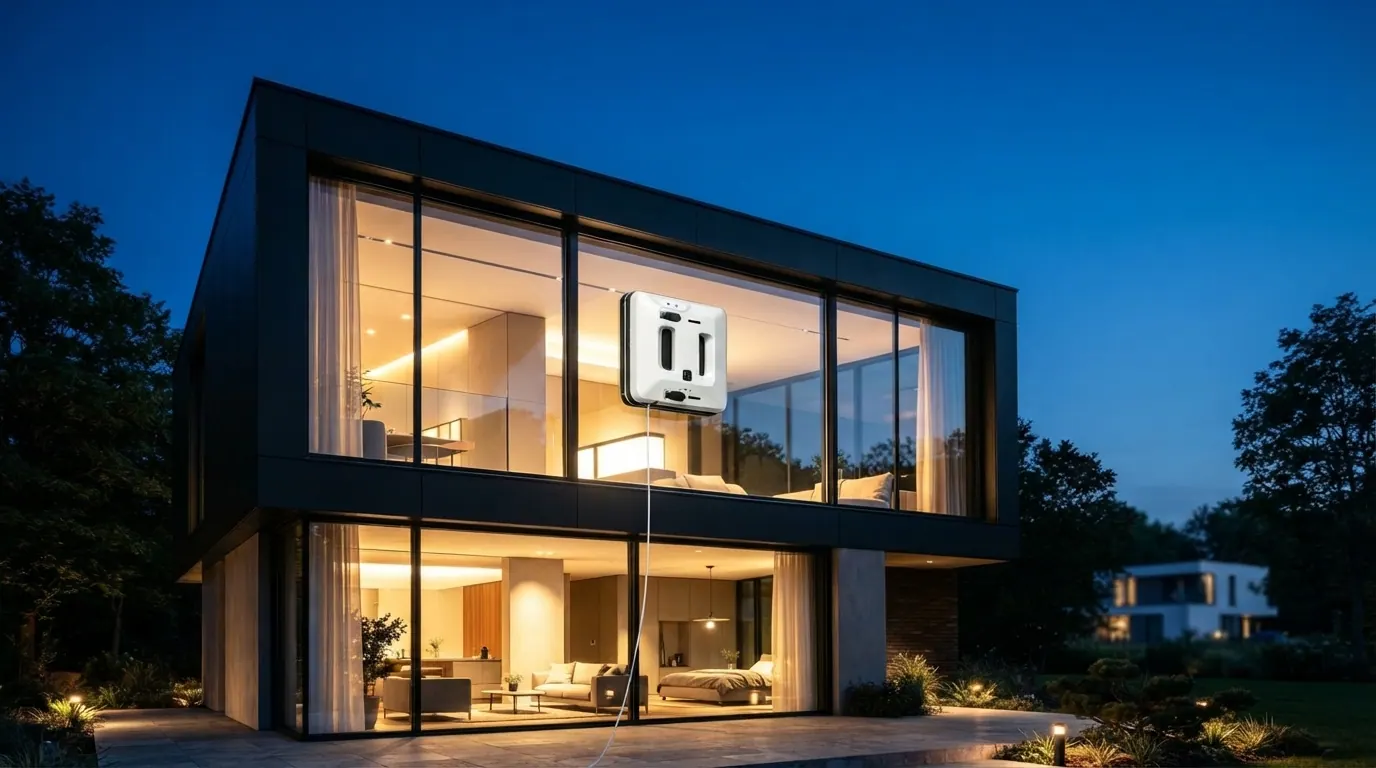

Windows Robot Cleaning Wondering what makes a high-performance window cleaning robot? Explore the key factors that decide real-world cleaning results, from suction power and navigation to pad quality and edge detection.
Many homeowners shop for window cleaning robots based only on price, appearance, or online ratings. On paper, most automatic window cleaners look almost identical—they stick to glass, move automatically, and wipe dirt away. However, users often notice huge gaps in real-life performance: some robots deliver spotless, streak-free results, while others leave stains, miss corners, or even struggle to stay attached to the glass.
The truth is, a window robot’s exterior design tells very little about its actual cleaning capability. Multiple core technical and structural factors determine whether a window cleaner works reliably in real household scenarios. In this window robot showdown, we break down the decisive elements of real-world cleaning performance, helping you avoid low-quality products and pick a truly efficient automatic window robot.
Vacuum Suction Power & Adsorption Stability
Suction performance is the foundation of all cleaning work, and it directly affects both safety and cleaning quality. Many budget window robots advertise high suction figures on spec sheets but fail to maintain stable adsorption during operation.
High-performance window cleaning robots adopt upgraded brushless vacuum motors, delivering consistent and lasting suction force. Stable adsorption ensures the robot fits tightly on vertical glass without slipping or shaking. When the body stays fixed steadily, the cleaning pads maintain even pressure on the glass surface, resulting in uniform wiping and thorough dirt removal.
In contrast, robots with weak or fluctuating suction slide slightly while moving. This unstable contact creates streaks, leaves residual dust, and increases the risk of falling off during long cleaning cycles. For high-rise window cleaning, steady suction power is always the top priority for reliable performance.
Intelligent Navigation & Path Planning System
Advanced navigation technology separates premium window robots from basic entry-level models. Low-end devices usually move randomly or follow fixed simple paths, leading to repeated wiping, missed areas, and low cleaning coverage.
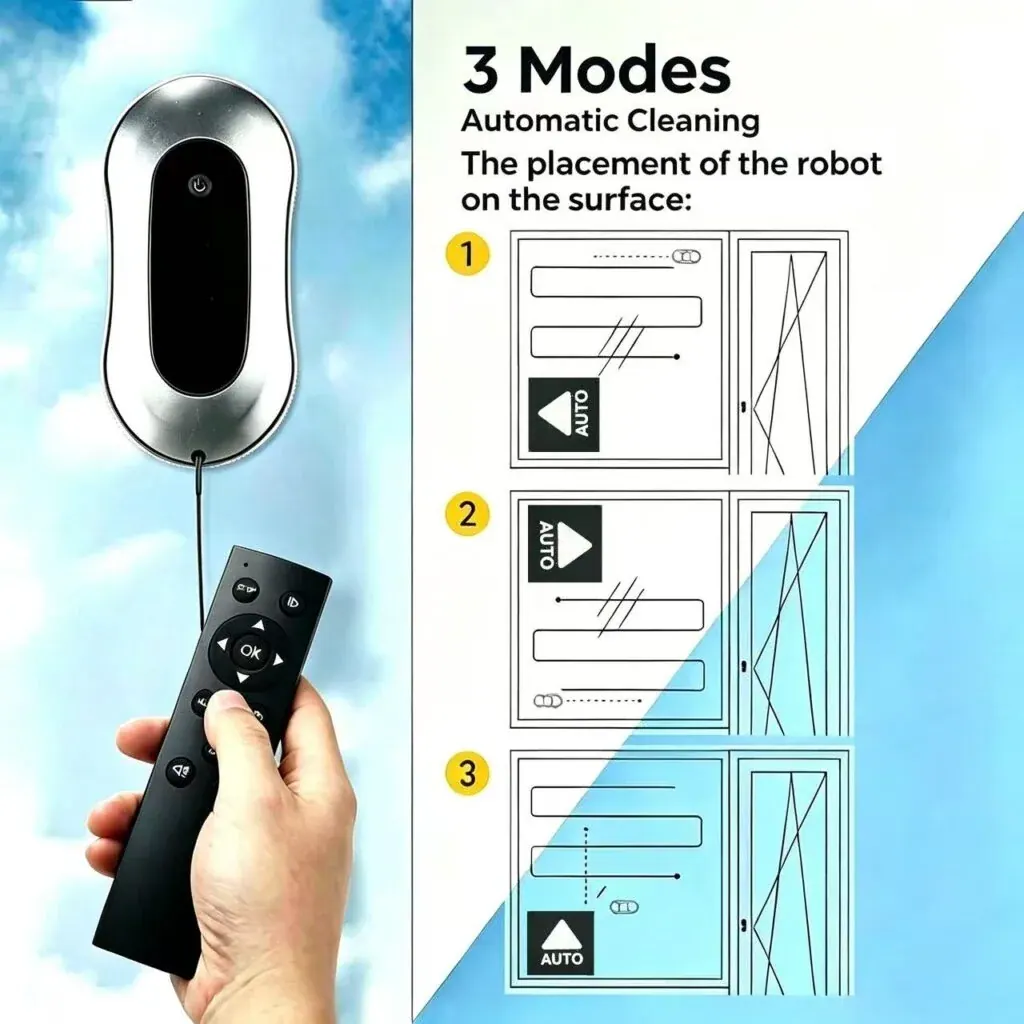
Quality window cleaning robots are equipped with high-precision sensor arrays that scan window size, frame boundaries, and tiny obstacles in real time. Based on the scanned data, the system automatically generates an optimized top-to-bottom, left-to-right cleaning route. This systematic path planning eliminates redundant movements, ensures full glass coverage, and improves overall cleaning efficiency.
Smart navigation also enables adaptive adjustment. When detecting window edges or narrow frames, the robot adjusts its moving speed and direction instantly, preventing omissions and ensuring consistent cleaning results across the entire window surface.
- Edge Detection & Corner Cleaning Capability
The biggest difference between average and excellent window robot performance lies in edge and corner handling. Most household windows feature 90-degree corners and narrow frame gaps, which are the hardest areas to clean and where most low-quality robots fail.
High-performance window robots support precise edge recognition and close-range fitting cleaning. Whether it is square or round models, upgraded sensing systems allow the robot to approach window borders and dead corners closely, minimizing uncleaned blind spots. This is a critical real-world advantage, as users care far more about spotless corners than perfect central glass cleaning.
Robots with outdated edge sensors often stop too far from frames or collide with borders, leaving obvious dirty margins that require manual re-cleaning, completely defeating the purpose of automatic window washing.
- Cleaning Pad Material & Wiping Pressure Control
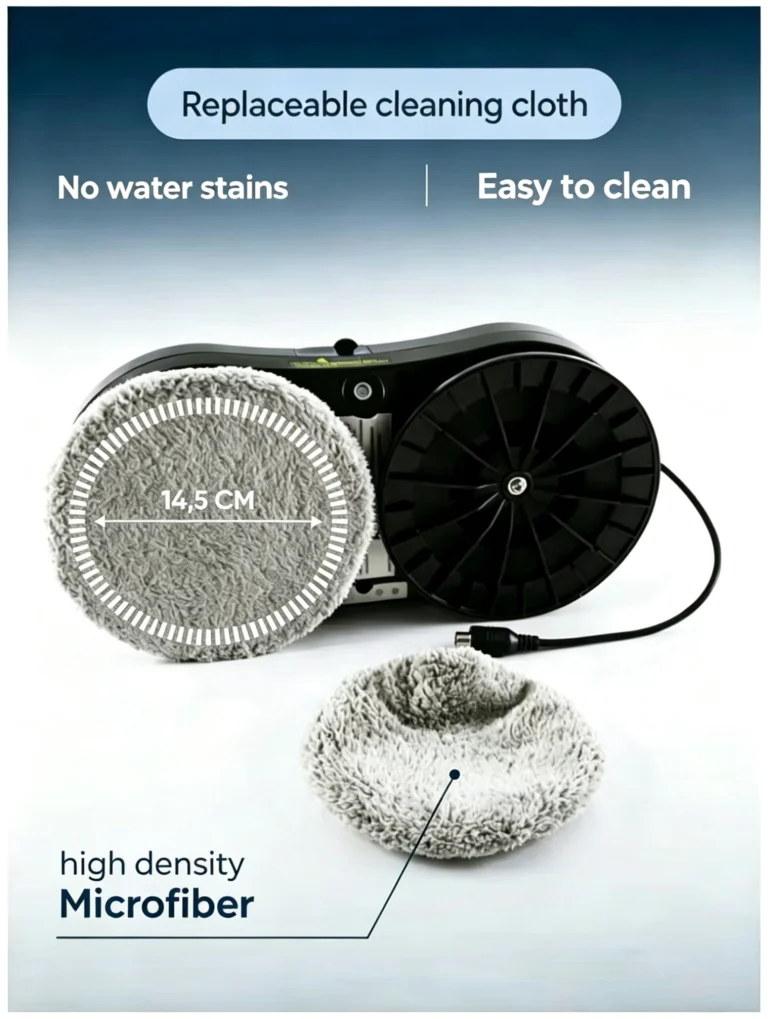
Hardware and software determine cleaning coverage, while cleaning pad quality decides final finishing results. Ordinary low-cost pads are thin, hard, or poorly structured, unable to absorb dust and water stains effectively. They often scratch tiny particles or spread dirt evenly across the glass, causing foggy and streaky surfaces.
Premium window cleaning robots use high-density ultra-fine fiber pads with strong dust adsorption and water locking capacity. The soft, textured material deeply lifts fingerprints, rain stains, oil residues, and daily grime without scratching the glass surface.
Moreover, stable pressure control technology ensures the pads fit closely to the glass during every movement. Uniform wiping pressure guarantees consistent cleaning effects, avoiding partial dirt retention caused by uneven contact.
- Wet & Dry Cleaning Cycle Design
Single dry wiping or simple water spraying cannot handle complex household window stains. Real-world cleaning performance heavily relies on a scientific wet-dry combination cleaning system.
Top-tier window robots adopt a complete three-stage cleaning cycle: fine water mist softens hardened dirt first, deep scrubbing removes stubborn stains, and dry polishing eliminates residual water marks. This simulated manual professional cleaning process handles various daily stains perfectly, from light dust to thick rain deposits and kitchen oil fume residues.
Entry-level robots usually lack atomization and dry polishing functions. They simply wipe wet glass, leaving large areas of water traces that turn into dry foggy spots, resulting in unsatisfactory finishing effects.
- Adaptability to Complex Household Glass Scenarios
Excellent cleaning performance must adapt to real home environments, not just ideal flat glass. Residential windows come in diverse types, including hollow glass, frameless glass, partition glass, and slightly curved glass surfaces.
High-performance window cleaning robots feature strong scene adaptability. They work stably on different glass thicknesses and surface types, maintaining reliable suction and cleaning accuracy on both large floor-to-ceiling glass and small partition windows.
In addition, qualified robots support multiple cleaning modes, including full-area automatic cleaning, local spot cleaning, and manual control. Flexible mode switching allows targeted cleaning for overall window maintenance and partial stubborn stain removal, greatly improving practical usability.
- Battery Performance & Continuous Working Stability
Long-lasting battery power ensures consistent cleaning performance for entire window batches. Robots with poor battery decay quickly during operation, leading to reduced suction power, slower movement, and incomplete cleaning before finishing the job.
Premium window robots are equipped with high-capacity stable batteries, supporting long-duration continuous cleaning to cover multiple windows in one use. Constant power output maintains stable suction and sensor sensitivity from start to finish, ensuring uniform cleaning quality without performance attenuation.
Final Verdict: How to Judge a Truly High-Performance Windows Robot Cleaning
Appearance, brand popularity, and low price do not represent real cleaning performance. After comparing core capabilities in this window robot showdown, it is clear that a reliable automatic window cleaner requires balanced performance in stable suction power, intelligent navigation, precise edge detection, high-quality cleaning accessories, scientific wet-dry cleaning logic, and strong scenario adaptability.
If you want to invest in a long-term practical smart home device, avoid simplistic low-cost models. Choose a window cleaning robot with comprehensive core configurations to ensure stable, thorough, and streak-free cleaning performance in all your real household window scenarios.